Culture is no longer the backdrop to marketing — it's one of its primary competitive arenas. The brands that win won't be the fastest to react. They'll be the ones who know when not to.
Culture used to be something marketing referenced occasionally, in a campaign built around a big cultural moment once or twice a year. That is no longer how it works. Culture is now one of marketing’s primary competitive arenas, running continuously rather than occasionally, and the organisations that succeed in it will not be the ones that respond fastest — they will be the ones that respond with purpose, and are equally disciplined about the moments they deliberately sit out.
Every cultural moment is now a business decision
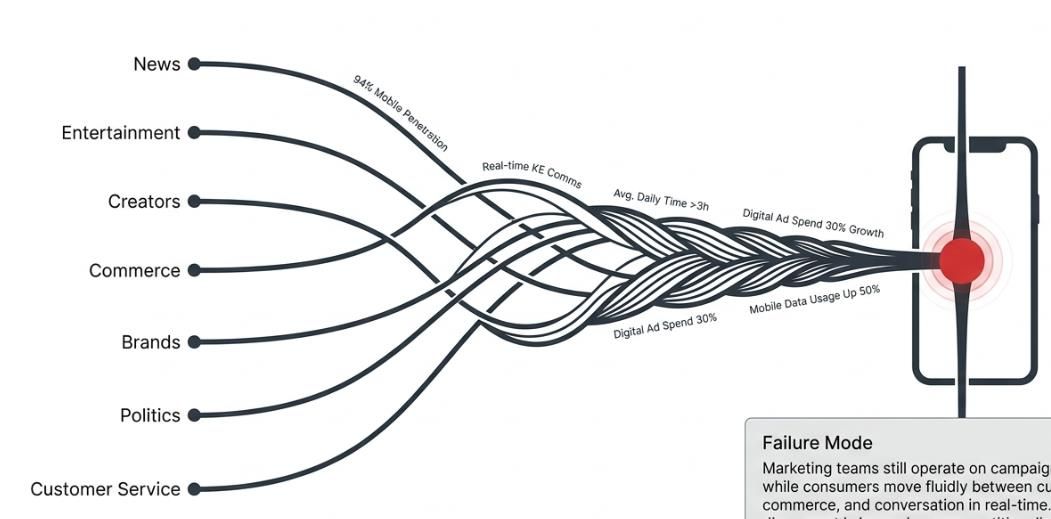
News, memes, creator content, brand activity and customer experience all now arrive inside the same endless feed, with no visual or contextual boundary separating them for the person scrolling through it. The practical consequence is that marketing calendars no longer define what counts as relevant to a brand at a given moment — culture does, on its own schedule, whether or not the brand planned for it.
How culture actually moves
The cultural moments that spread share a recognisable set of traits: they are emotionally resonant, visually simple, easy for other people to reinterpret in their own voice, highly participatory, and instantly recognisable even stripped of context. Once those ingredients are present, audiences — and increasingly brands alongside them — start adapting the idea into new contexts of their own, which is what actually drives the spread. Not every trending story reaches that point, and a trend that does not is not a failure to imitate; it simply was not the starting point for participation that a genuine cultural moment is.
Attention is not the same thing as growth
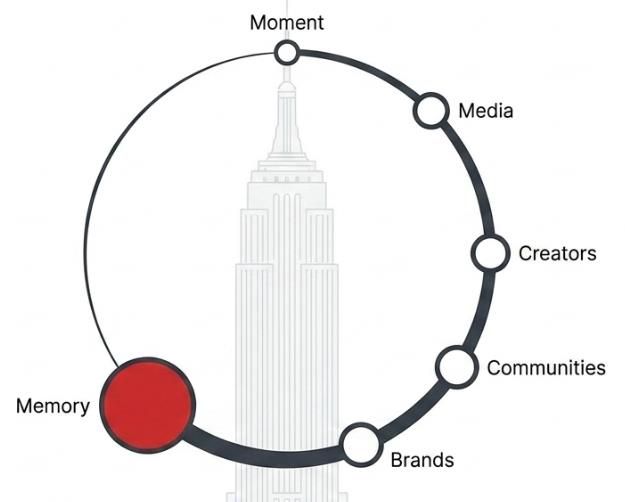
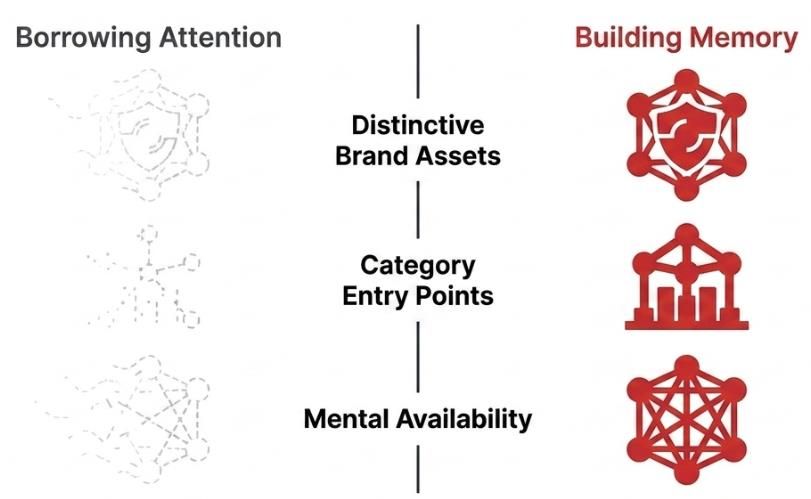
Plenty of brands succeed at capturing attention during a cultural moment. Far fewer come out of it with strengthened mental availability — the thing that actually compounds into growth. Cultural participation only creates lasting value when it reinforces a brand’s existing distinctive assets and gives consumers another reason to remember it later, at the point of purchase. A viral moment that borrows attention without doing that work is memorable for the culture, not for the brand.
The same trend can help one brand and damage another
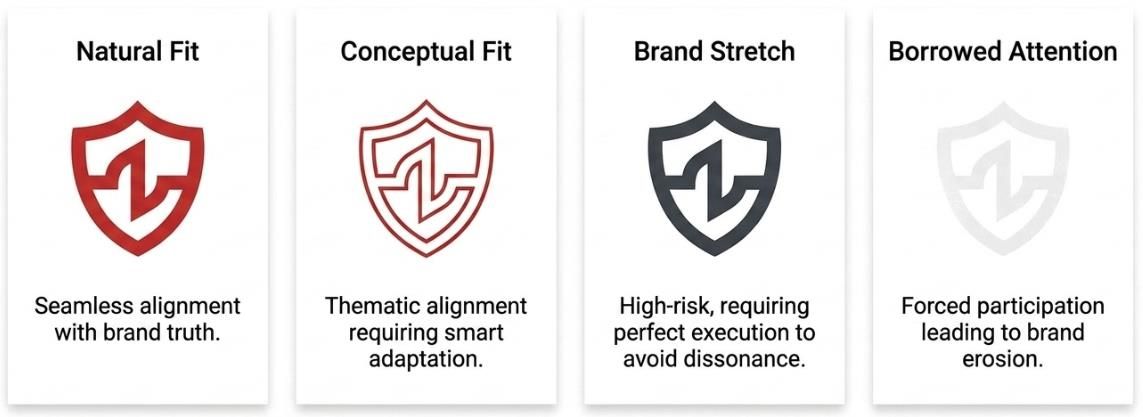
How a brand engages with a given trend matters as much as whether it engages at all, because the same cultural moment can produce wildly different outcomes depending on how naturally it connects to what the brand already stands for. The deciding factor should be authenticity of fit, not the urgency of the moment — a brand under pressure to "not miss this one" is exactly the brand most likely to force a connection that was never really there.
Treat culture like a system, not a series of reactions
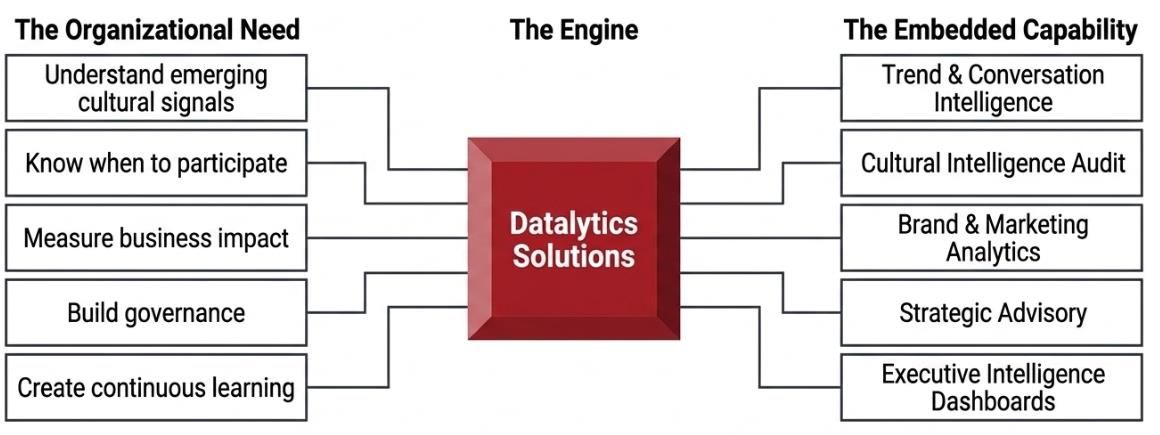
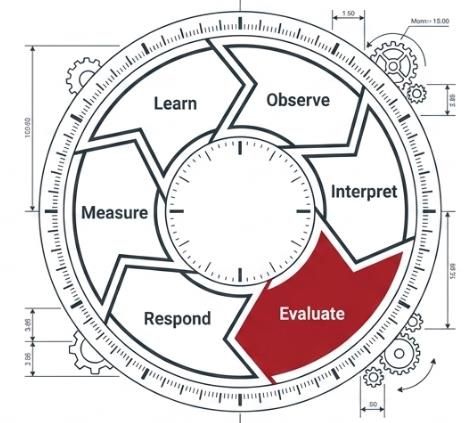
Managing this well means applying the same operational discipline to culture that a brand already applies to media investment — building the capability to observe emerging moments, interpret them, evaluate fit, respond where it makes sense, and measure the result, on a continuous cycle rather than an ad hoc one. If there is a single idea worth taking from this, it is that the competitive advantage is not reacting faster than everyone else. It is building the organisational muscle to evaluate and act on cultural moments with consistent judgement, moment after moment, rather than getting each individual call right by instinct alone.
Every industry needs its own version of this
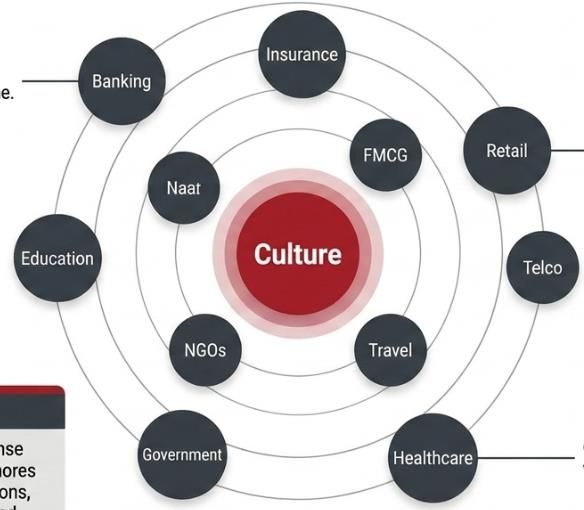
What cultural engagement looks like is genuinely different by sector — a bank uses it to build trust through real-time financial literacy content, a retailer uses it to convert a cultural moment into immediate footfall, a healthcare brand uses it to combat misinformation with localised authority — but the underlying question is the same everywhere. It was never whether an industry should engage with culture at all. It is how.
A short checklist before jumping in
Before responding to any cultural moment, it is worth treating cultural intelligence as a genuine business capability rather than something the social team handles alone, and running through it deliberately: do we understand why this moment actually matters, and does it align with our brand? Do we have permission to participate, and can we respond quickly enough for it to still matter? Who signs off, how will success be measured, what reputational risk exists if this goes wrong, and — the question that separates a stunt from a strategy — will this actually build long-term brand memory, or just a week of impressions?
Building the capability, not chasing the next campaign
Sustainable advantage here comes from building an organisational capability, not from chasing one successful campaign after another and hoping the pattern repeats. The brands that invest in cultural intelligence now — the observation, the judgement, the measurement discipline — will simply be better positioned to lead when the next moment arrives, because they will have already built the muscle to recognise it. Saracen Marketing Group helps organisations build exactly that capability, through intelligence, measurement and strategic advisory rather than one-off reactive campaigns.